

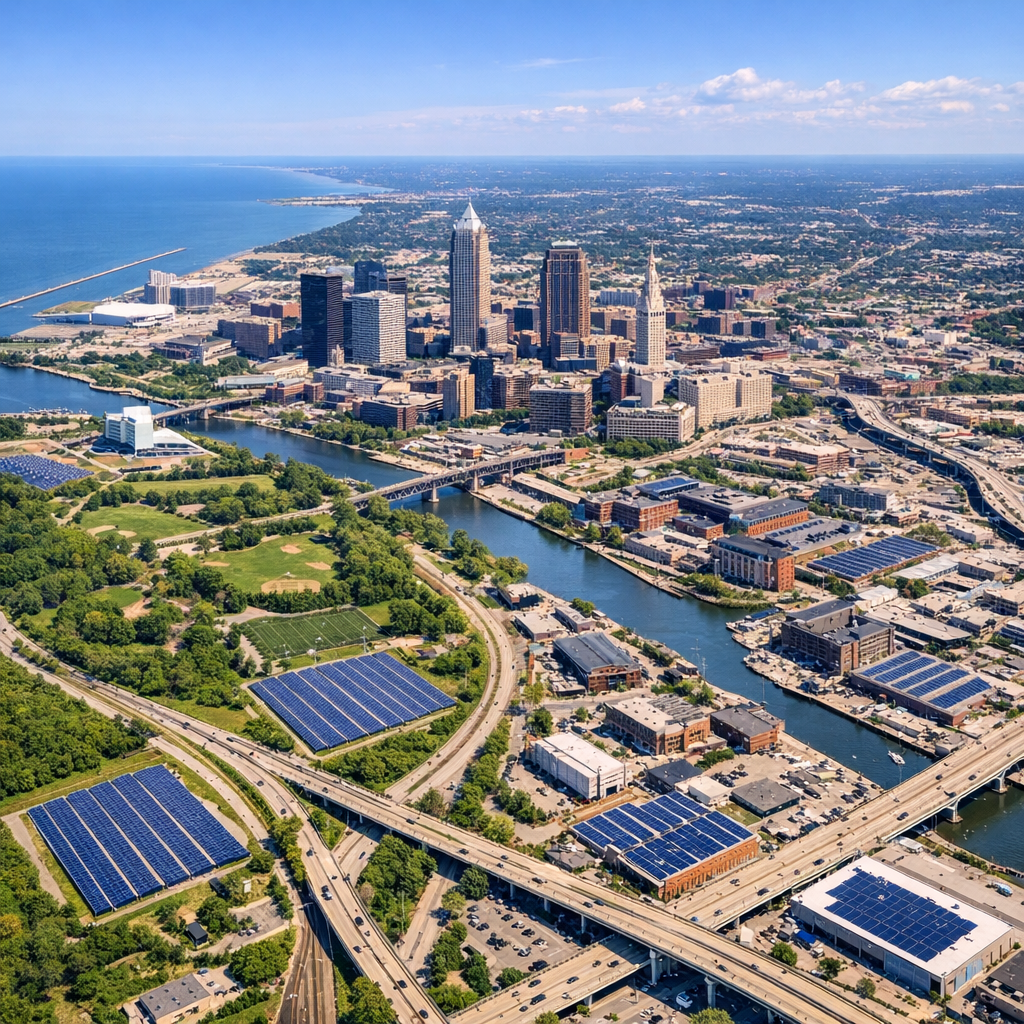
As Cleveland residents, we’ve observed noticeable shifts in our local climate over recent years. These changes are not just anecdotal; data confirms that our city is experiencing significant climatic transformations that impact our daily lives and the environment.
Rising Temperatures
Between 1970 and 2024, Cleveland’s average summer nighttime temperatures have increased by 4.6°F, marking the second-highest rise in Ohio after Toledo. This trend is part of a broader pattern affecting many U.S. cities, with warmer nights becoming more common due to climate change. These elevated temperatures can strain our energy systems, increase cooling costs, and pose health risks, especially to vulnerable populations.
Intensifying Rainfall
Our city has also seen a significant uptick in rainfall intensity. From 1970 to 2024, hourly rainfall intensity in Cleveland increased by over 18%. This escalation heightens the risk of flash floods, infrastructure damage, and challenges to our stormwater management systems. For instance, a storm in July 2022 dropped 3.5 inches of rain in just 90 minutes on Cleveland’s east side, overwhelming the sewer system and causing over $30 million in damages.
City Initiatives for Resilience
In response to these challenges, Cleveland has updated its Climate Action Plan (CAP) and Municipal Action Plan (MAP). These comprehensive strategies aim to reduce pollution, enhance air and water quality, and build neighborhood-level climate resilience. The plans emphasize equity, ensuring that all residents, especially those in vulnerable communities, benefit from climate action efforts.
One notable initiative is the development of ‘brightfields’—solar power projects on brownfields and landfills. This collaboration between the city of Cleveland, Cuyahoga County, and the city of Painesville aims to generate approximately 63 megawatts of renewable energy, providing affordable clean energy to our communities and reducing pollution.
As we navigate these climatic changes, it’s crucial for all Clevelanders to stay informed and engaged. By understanding the challenges and supporting local initiatives, we can collectively work towards a more resilient and sustainable future for our city.